How We Made and Sold Hardware In India
Hardware is hard, in India it is even harder. My account as a founder of a deep-tech hardware company of building a 360 VR camera out of Mumbai — the prototypes, the parallax, the batteries, the CNC mills of Marol and the leather boxes of Dharavi.
Part I: The Beginning
It was a rainy October evening in Mumbai. I had just finished my hang over for the MIT Media Lab Design Innovation Workshops. Innovation, Innovation, Innovation that was the mantra for me when I started coming back to India. I was thinking “Innovation bohot ho gaya”, fundae bohot maar liye. Its time to walk the talk. Its time to create something out of India, to set an example, create a product, albeit a hardware product.
I had been thinking about a product for a long time now. A camera, new kind of camera, not for 2D photographs but for Virtual Reality (VR). A camera that can help us create movies, photos and content in 360, in 3D and for Virtual Reality. With VR head-sets like Oculus and Google Cardboard out, this will be a camera that can capture real content for it. Just take a photograph or a video with this camera and see it over an Oculus and you will feel like you are right there inside the scene.
So we started out — we thought lets take it step by step. Lets first create a camera to capture 360 Virtual Reality photographs and walkthroughs. And the same camera can then also be used to create indoor and outdoor 3D maps. So before hitting the consumer market with our VR Video Camera we thought lets make a camera for 360/3D VR photos and walkthroughs.
Hardware is Hard, in India its even Harder!
Sanjay had just left his job at Nvidia. Wait a minute, I didn’t tell who Sanjay is. So, Sanjay is my batchmate from college. One of the most honest, straight guys I have met. Hardware guru, from System on Chips to USB Interfaces, just think of the most complicated name and he would know it.
So we set out — me, Sanjay and Shiveesh. A brief about Shiveesh — the film maniac, Hollywood is his cradle, Nolan the God. He was part of our MIT Hyderabad workshop. A techie who hates technology, but loves Design.
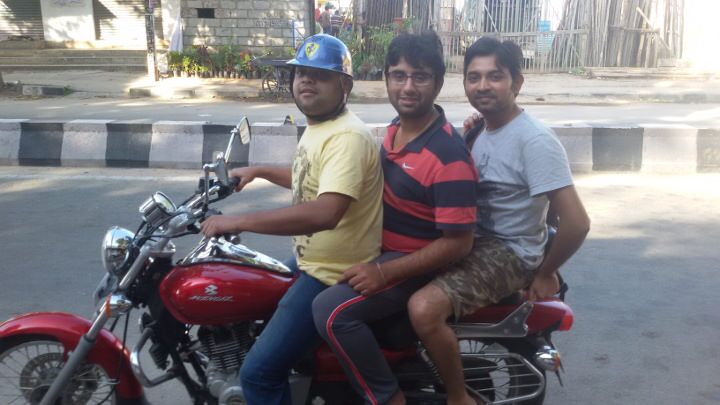
The first iteration we tried was a fluff ball. I had come to Bangalore to meet with Sanjay. Riding on his Avenger we went to a long trip from Banaswadi to SP road (ass still hurts thinking about that trip). Our thought was to just put 6 cameras along the surface of the sphere and be done with it.
In terms of name, we thought lets think Organic Chemistry — the lone subject that used to crap the shit out of us while preparing for IIT. What is a compound that has 6 atoms — Benzene, voila! Here is the name, Benzene — the geekiness in us can never go away.
So we tried Hoopla rings, plastic balls, bigger plastic balls, the camera would just not fit in. And if it fitted it would never be stable. The jugaad was not working.
When in doubt, just 3D print.
Shiveesh took charge to design. On his 90s old laptop, he installed the behemoth of CAD — the Autodesk Inventor.
We printed a 360 6 camera ring. Bought 6 web-cams and just stuck it in. 6 USB cams means we needed a 6 in 1 USB hub. So we got that, and plugged it to our laptops. Plan was to fire one camera after the other, save the images, stitch them, blend them together and done.
That 1 design got changed into 4 more designs. 6 camera ring, then 5 camera design, 1 for the top view and 4 horizontally. We thought we will call it Propane. Then 4 camera design, 1 on top and 3 on the same plane. Guess what we called this design — you are right — Methane.
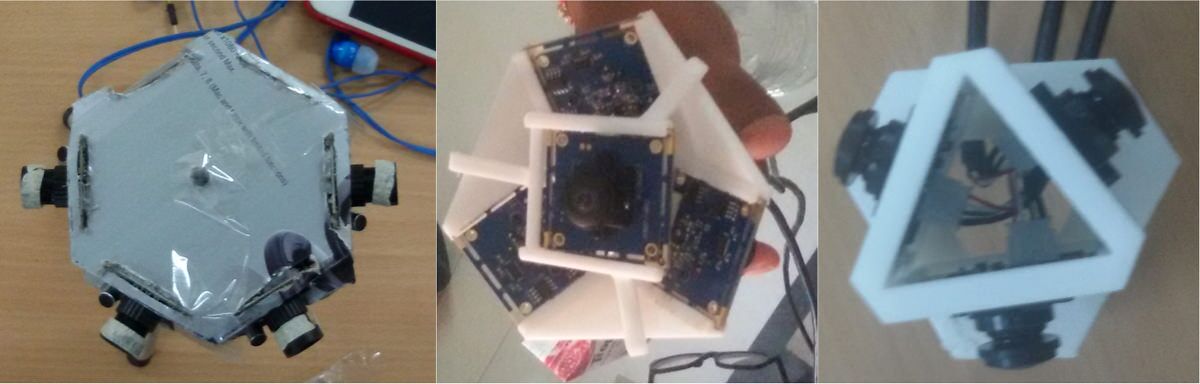
Shiveesh kept churning out new designs, our UP mini 3D printer kept printing them, we kept assembling them. This went on for a month or so. And finally we narrowed down on our 4 cam design — and called it Methane.
Our 4 cameras were now placed like a Carbon, Hydrogen bond. 1 looking to the top, and 3 planar. We connected all to a laptop and wrote the code (while the right term is borrowed open source libraries and modified) for stitching, blending and creating the 360 VR Images. Shiveesh used to hold the camera, Sanjay the laptop and I used to press “Enter” to start the capture.
Finally, we got the first 360 VR Image out of this setup. Elation!!!
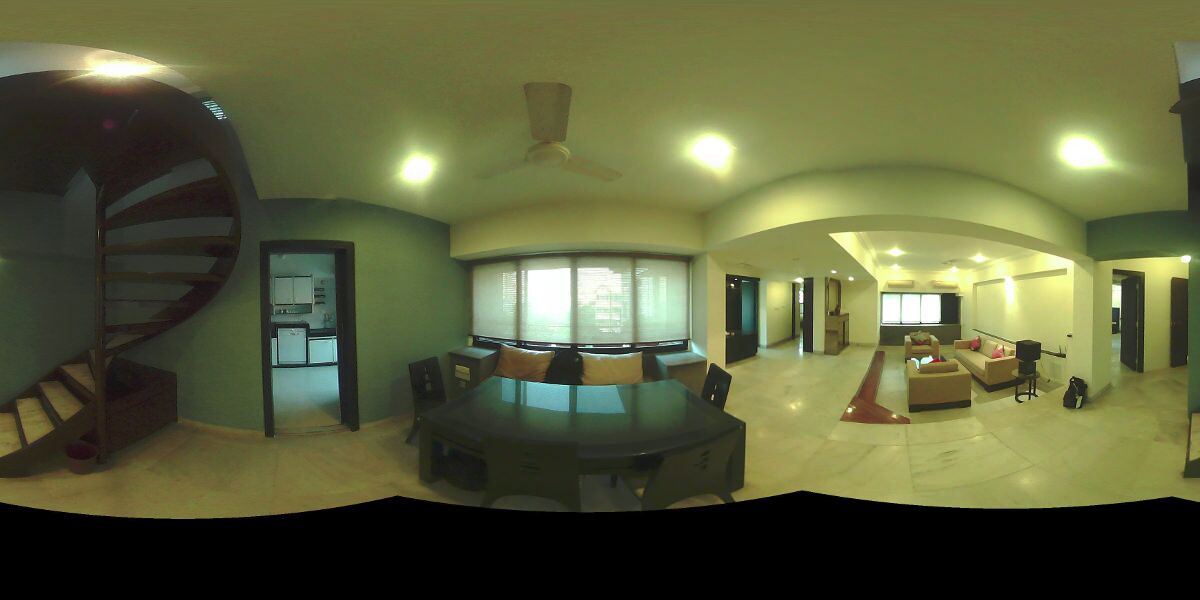
There was just a minor problem — the setup did require 3 people to operate. We thought how on earth are we going to sell this.
We had to make this portable, do computation on the camera — so we needed a processor and a battery. Make something for the modern human race.
So we called Ayush — the analog, the digital, the electronics man. He was part of our MIT Hyderabad workshop too, angry young man who wanted to make a mark on the electronics world. He had been working with LV Prasad and applying for his MS in the USA.
We flew him from Hyderabad to Mumbai — him and of course his suitcase. You should just check out that guy’s luggage — less clothes and more oscilloscopes, soldering irons, any analog/digital chip you can think of and of course his pocket projector.
Cameras are the most draconian of sensors. Gyro, Accel, IMU, Piezos everything will eventually work but cameras... man.
So we got down to the task — to make the camera smaller and portable. The 4 camera design was finally fixed — the processing had to be done inside the camera and battery had to be fitted in.
Shiveesh designed one more casing, our UP mini printed one more. We took our good old friend Raspberry Pi, connected it to the battery, soldered the 4 cameras through a USB hub, Ayush added the mini-USB charging port and within a week it was ready.
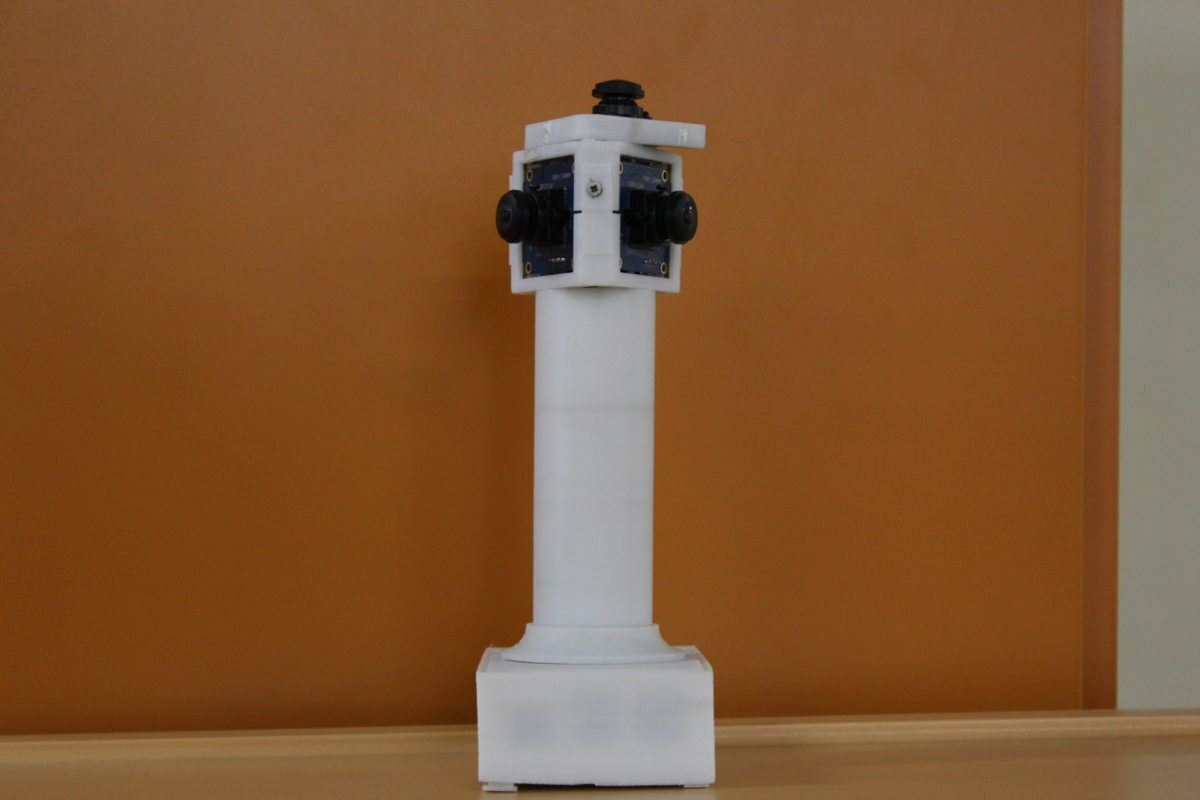
Technically our first prototype that could potentially be taken into a product form. Excitement knew no bounds. Now we could demo the product. We could show the world what was possible.
The joy of creation is better than most things.
Part II: Order, Chaos and Order again
So we did, went to some of the largest players in India — demoed the product, showed 360, showed Virtual Reality with the Oculus — this was exciting. People were interested, they loved the experience but at the same time were very skeptical. They had never seen a hardware product like this. Let alone seeing it coming from India. Some mentioned India can never make a hardware product, some felt we will go bankrupt and few explained to us how this has never happened in the last 5 years and will not happen in the next 5. Its funny how awesome is this feeling of being the underdog, all this made us even more determined to convert our prototype into a full blown product and start shipping this thing in 6 months.
If it took you x time to make a working prototype, it will take you at least 10x time to get into a product, 5x if you don’t have weekends off and work 20 hours a day.
January dawned on us, it was the time for the 5th MIT Media Lab Design Innovation Workshop. Every year starting from 2011 we have been doing these workshops in India bringing together students and corporates from different fields like design, technology, art, engineering and creating some crazy prototypes in 7 days. From Smart Textiles to Sensors, from Civic Innovation to Immersive Storytelling we had a lot of themes to invent the future for. This time we planned to do it in Ahmedabad. With Made In India preached all round we felt this could add impetus to the movement.
Team at Tesseract under Sanjay’s leadership kept on removing kinks in the prototype as the MIT workshop was happening. Ayush wanted to get his MS sorted hence decided to leave. Sanjay and I had a serious conversation on how on earth are we ever going to ship the product in time to our clients in less than 4 months. Even software products are shipped with bigger timelines. Of course we couldn’t give them a 3D printed product. No matter how innovative the technology is, aesthetics and design are equally important. Disagreements followed and after many intense on-the-rooftop conversations the call was taken.
I didn’t understand — but Sanjay had the benefit of foresight. He could see that the product had completely consumed us, our friendship was getting seriously affected.
Given a choice between relationships and business, always, I mean always choose relationships.
That was a blow — a big blow. The company lost 2 of the most important individuals. The task felt impossible to accomplish. We had given assurances to our clients.
In came Varun — maverick designer, maker, doer, words are less to describe him. He was part of our MIT Mumbai workshop in Pragun’s track. Made his own 3D printer from scratch, used to work in Siemens but left it. He first started hanging around at our office — experimenting with crazy ideas. He started printing Tesseract logos, making automatic plotters, the guy loved his printers — I mean 3D printers. It was really refreshing to see somebody with such passion, precision and power in the field he cared so deeply about.
I started making calls left, right and center. We needed hardware guys, we needed system software guys, we needed Android guys, Web guys — well the list was long.
So Dolly started going through our workshop network finding guys who would fit in. Again, I don’t think you know who Dolly is. One of the most hardworking people I have met — she handled all operations and new avenues for the MIT workshops in Mumbai and Ahmedabad. After the Ahmedabad workshop, we inspired her (more like forced her) to join Tesseract and make a physical product. One should learn how to handle people from her. With such calm and composure she handles the toughest of situations. Be it supply chain, logistics, accounting, finance, packaging or business modeling she is the one-stop person for us.
We badly needed to have a kick-ass mobile app. I called Rahul — our Mumbai workshop participant from IIIT Allahabad — who pointed me to Gaurav. We booked his tickets for the next week. There was no flight from Allahabad so we booked it from Banaras. That morning Gaurav woke up early, took a bus from Allahabad to Banaras, then waited for a couple of hours before taking a flight from Banaras to Mumbai, and then finally an auto from the airport to our office.
Rugged, raw Haryanvi from Ambala. Unassuming but extremely confident. I asked him do you want water, rest karna hai. He was like “Nahi, sir kaam karte hai”. And this guy had just traveled 6 hours in a bus, 2 hours in a flight and 1 hour in an auto to reach. I thought this is India for you. We keep looking westwards for perseverance, for talent, for high technology and design. This is Gaurav, the young India — ready to take on the world.
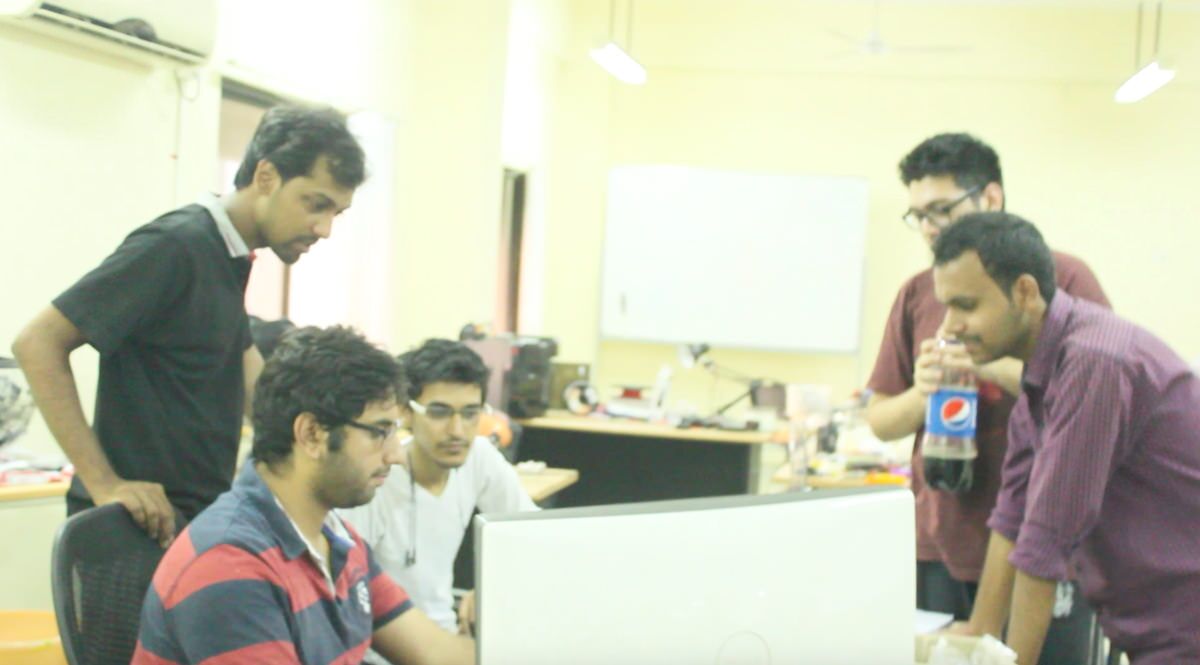
So we began developing our mobile application. We needed a 360 viewer, we needed to create automatic 3D floor plans, Virtual Reality views and all needed to work seamlessly on the web and android. One slight problem, we didn’t have the product. We had dismantled our previous design, so we made one proto again — this time with a Tupperware box.
When nothing works, Jugaad works.
Meanwhile, we had a major technical problem with our designs. Parallax errors. Let me be a bit technical here: since our cameras were spaced apart there was parallax. And no matter whatever software we wrote that couldn’t be corrected for. It used to lead to weird artifacts on the 360 VR images — as if the wall or the table is broken. It would have been not noticeable for consumer video but not so well for images. The second problem was calibration. As any camera developer will tell you cameras need to be calibrated, and multiple camera designs need to be calibrated even further.
Part III: The Case of The “Ulta Tripod”
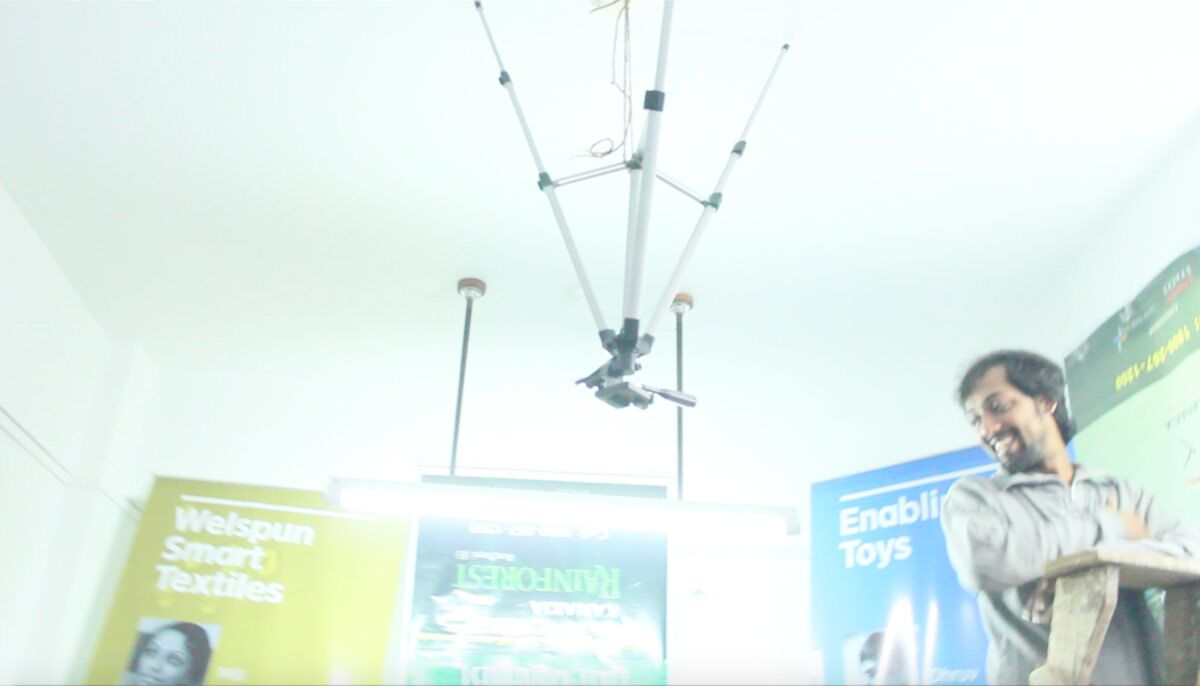
Well, to solve the calibration problem we had to create a room where the camera can see many patterns pasted on the wall. Now that meant putting every pattern on the ceiling. Well that was a difficult task. So we thought what is the next best alternative.
Why don’t we put the camera on the ceiling and the rest of the patterns on the floor? Voila, that could be done, so we did. We got the “Seedee”. Shiveesh, Varun and I climbed up. Dolly gave us moral support and of course shot the image that you are seeing here. We somehow managed to get a tripod in the middle of the ceiling with patterns on the floor. The calibration room was setup and the problem was solved.
Now, we needed machine learning and computer vision experts to solve the parallax problem. One more call went to Mayank — the super talkative Delhi guy in our Ahmedabad workshop. Two colleges that have done great work and produced great talent in CV and ML are BITS-Goa and IIIT Hyderabad. Mayank was from BITS-Goa — he was assigned to somehow find guys in vision and learning. After a lot of failed cases he found 2: Abhishek Annamaraju and Akash Deep Singh. This was a package deal. Both had to come from Goa. So we booked them an early morning flight and got them here.
Part IV: Design, Design, Design, It Just Never Ends
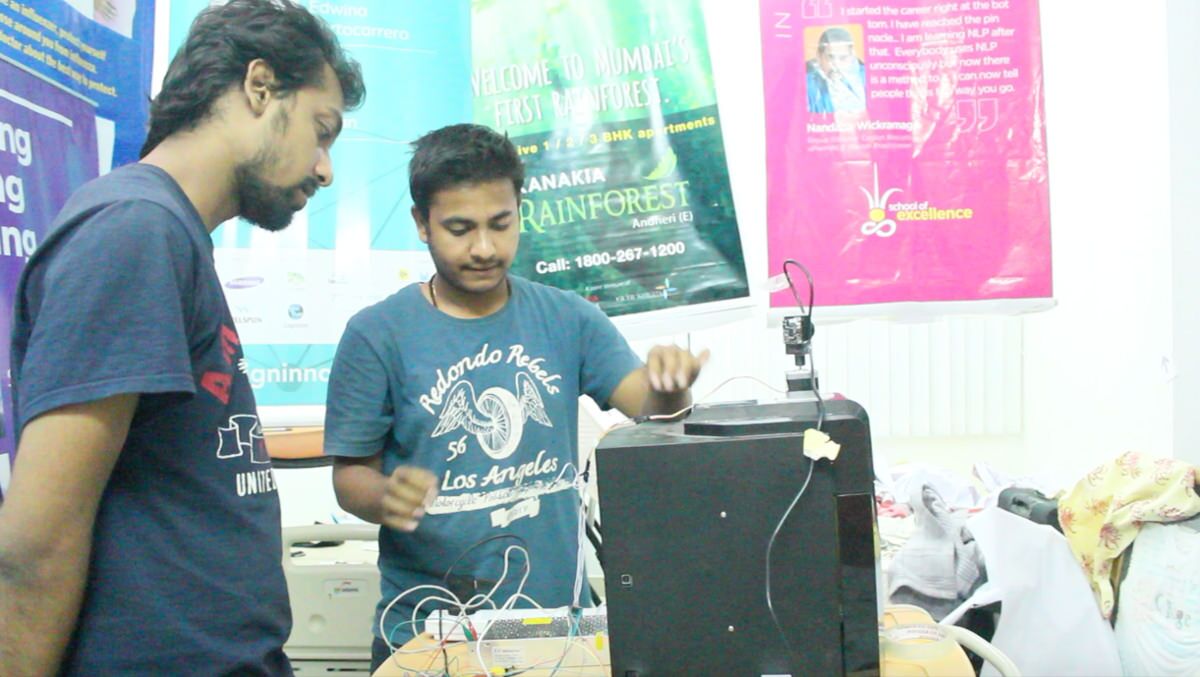
Last time it was finding the least number of cameras, this time it was making sure there are no parallax errors. So with Varun and Akash and our SMPS power supply, DC motors and Tupperware design we went ahead doing more design iterations.
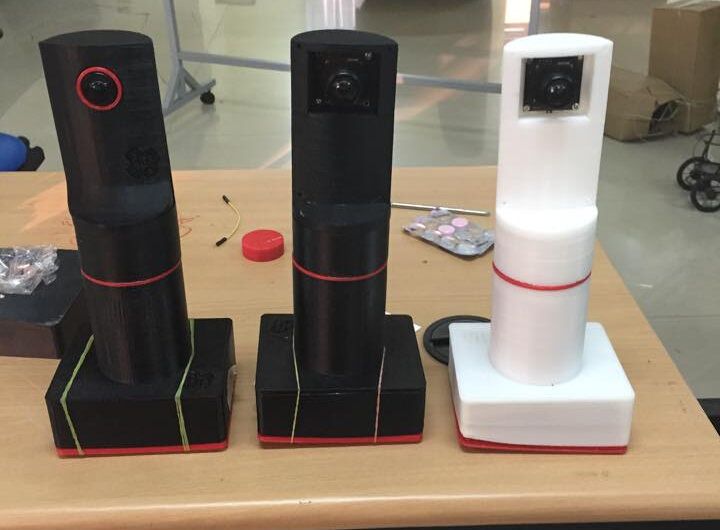
From 4 cam to 3 cam to 2 cam to 1 cam. We tried every damn thing.
Jiska koi nahee hota uska Google hota hai.
We finally figured out our answer, of course from Google. It had to be a 1 cam design rotating on a particular axis to remove any parallax error. Once we figured the product design out, we moved to the next draconian thing in any portable product — the battery.
Part V: Battery Blues
Sony invented the Li-ion batteries, they are in use in most of our daily products be it cell phones or portable music players or laptops, but man are they a pain to work with.
Here enter Saboor and Yathart. Saboor, a recent BITS Hyderabad graduate, was given the task to master the red bull called Battery. Saboor was a part of our MIT workshop in Hyderabad — really hardworking and passionate. Just get the damn charging and discharging cycles, the constant current variable voltage and variable current constant voltage thing figured out. We must have blown up 5 battery packs in trying to get the right charging cycle. Saboor worked day and night on it. I even slept with the product once to see how many 360 VR photos it will take in 8 hours of my sleep.
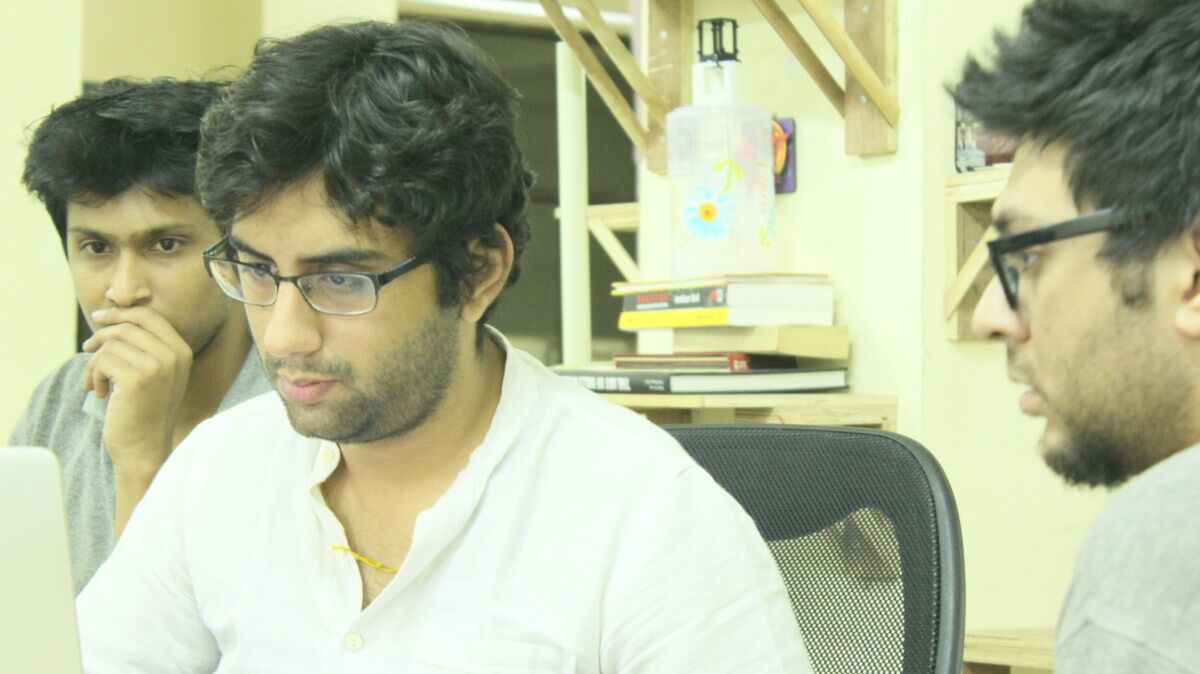
Yathart on the other hand was given the task to design and layout the PCB for our hardware. An IIIT Allahabad graduate, he was to master tools such as DipTrace and Eagle and get our hardware design done. To make sure from the ADCs to the motor drivers, from the status indicators to battery charging everything is in place before we give it for manufacturing.
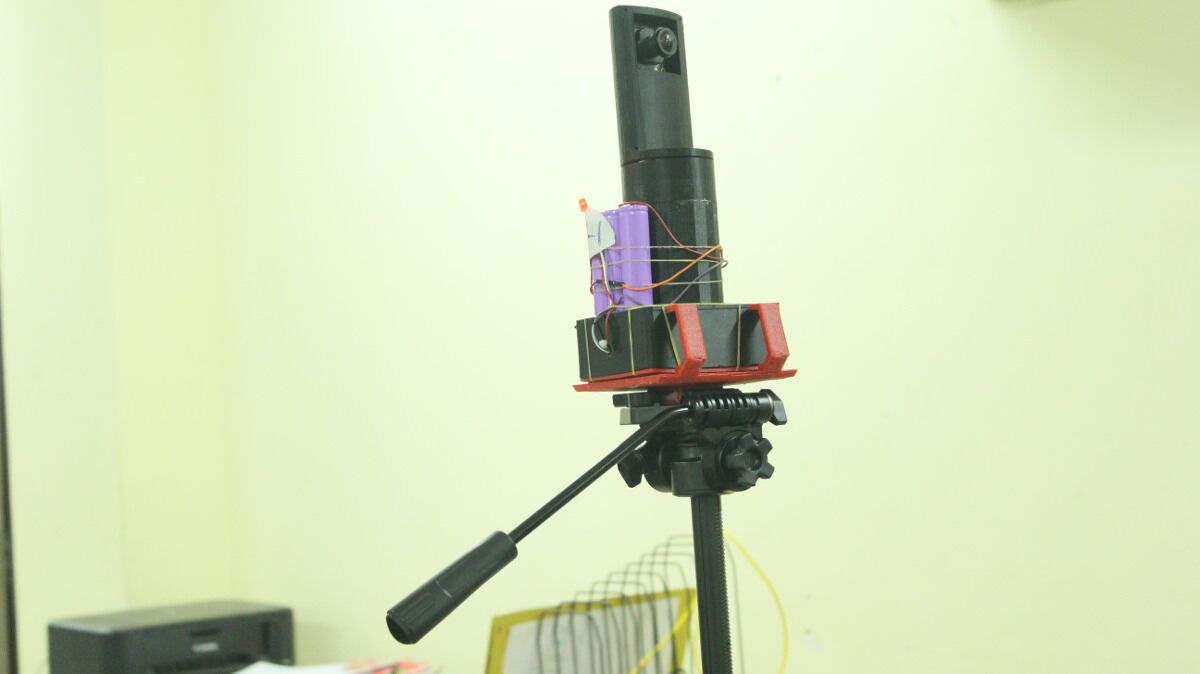
Design and Technology are inextricably linked. So linked that you fix one and the other breaks.
Nevertheless, the team felt complete. We had Hardware Engineers, Software Engineers, Graphic Designers and Product Architects. Finally, I got my Matrix moment. I believed, the team believed, we all believed, now we can really “Make It In India”.
So we got on it. Isolating one problem after the other. After a month of testing battery and charging circuits we finally cracked it. Battery was set and so was the charging circuit, 200 360 VR shots in a single day, not bad. Saboor had solved it. The mobile application was done — Gaurav had single handedly pulled it off with bleeding-edge development and Shiveesh had pulled off a beautiful design.
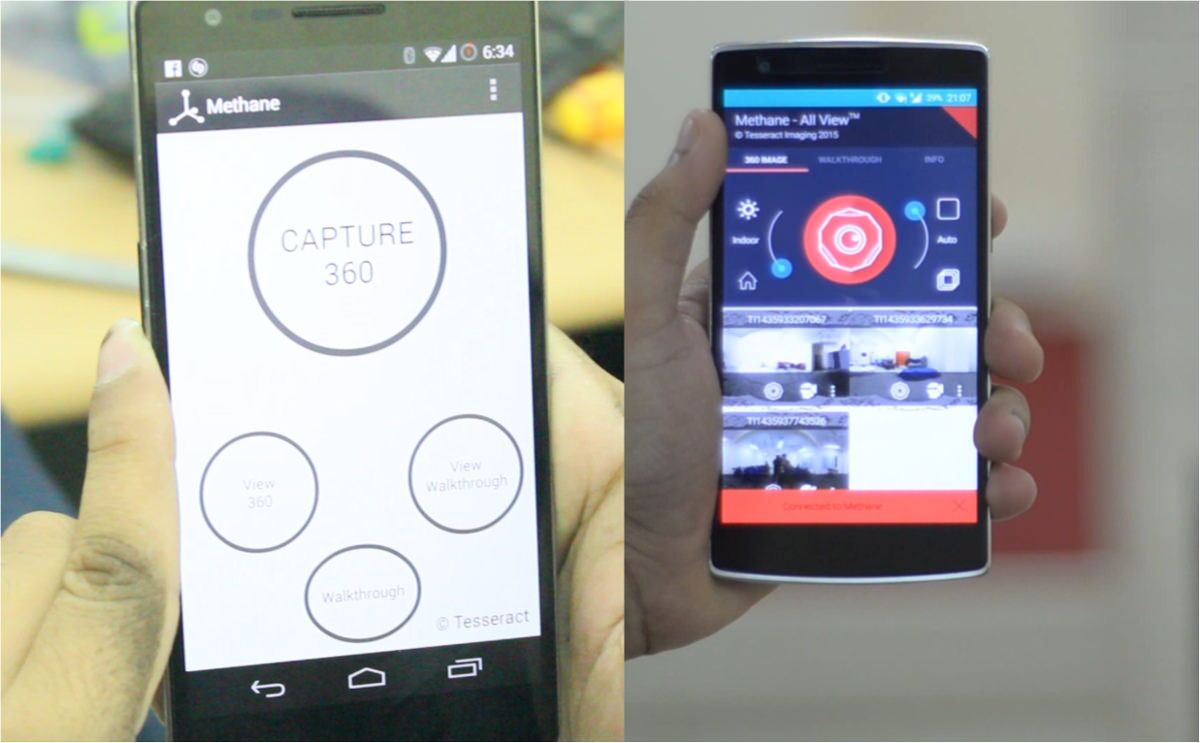
Part VI: Inching Towards Finality
The one cam design stuck. We worked really hard to speed things up. From mapping the pixels to shared memory to writing each line of code from scratch, we finally improved the code base from 4 minutes to capture a single 360 VR image down to 1 minute.
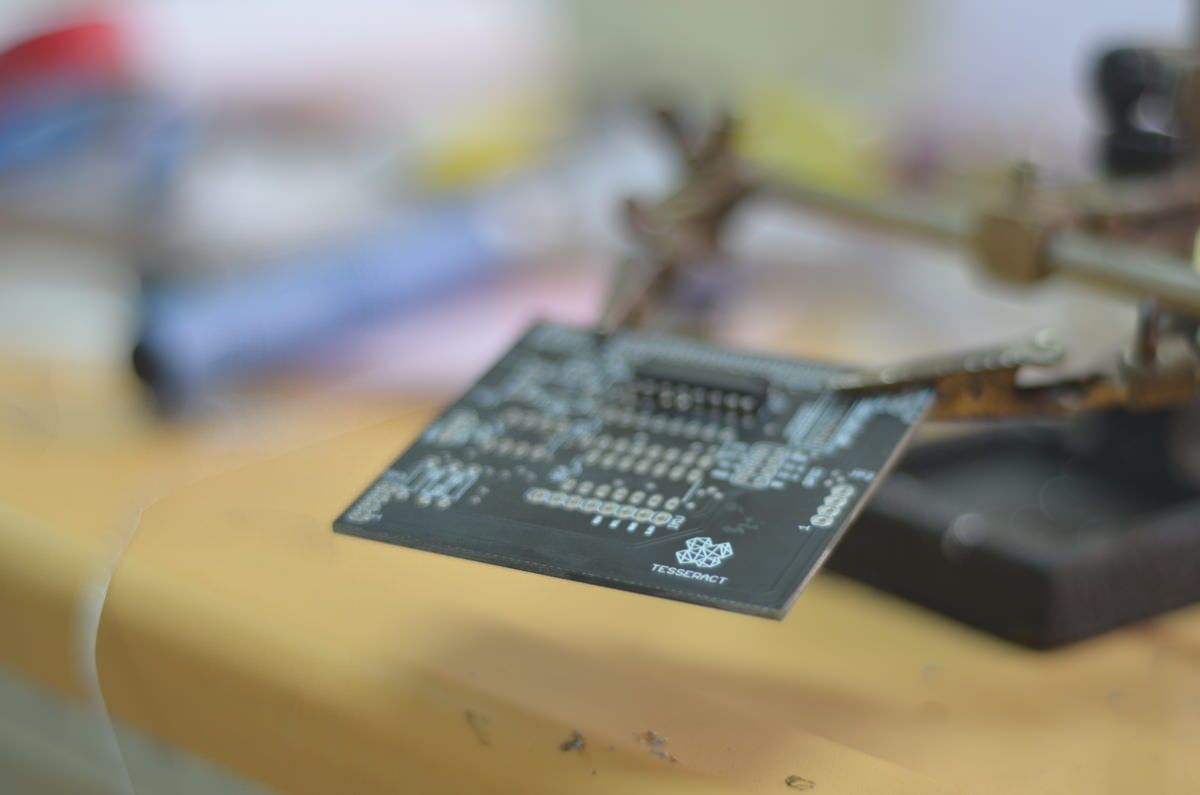
Finally, after a bit of searching we found printed circuit board fabricators in Mumbai who would manufacture the board for us with a turnaround time of less than 3 days. As with any hardware, we had our challenges. Hardware debugging takes time, its not like software where a bug can be fixed without refabricating. If anything goes wrong in hardware, then the whole board needs to be fabricated again unless it’s a known driver or OS bug.
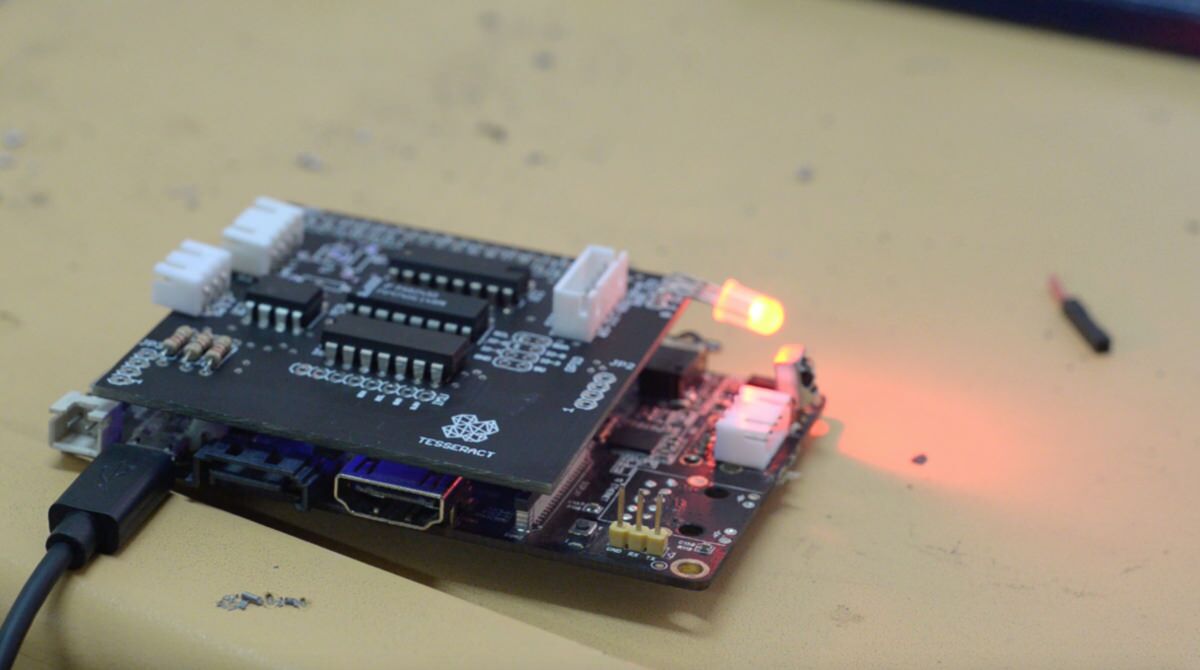
We were having fun, working 20 hours a day, no weekends. Playing cricket in the evening and getting back to work soon enough. Counter Strike was a regular, so was Coke, crooning to Coldplay and Arijit Singh. Best days of our lives!
Be it hardware or software, just fail fast and iterate as quick as possible!
Over the summer starting from May, Jaivardhan Singh Channey joined us. A Srishti graduate, he became our creative lead — getting the story out, creating the awesome looking videos you see on the website. With his camera gear and the 50 mm lens he worked tirelessly, traveling all around our manufacturing facilities. Anurag and Rishabh from Ahmedabad joined us for helping out in battery technology and the android application respectively.
Part VII: The Last Leg
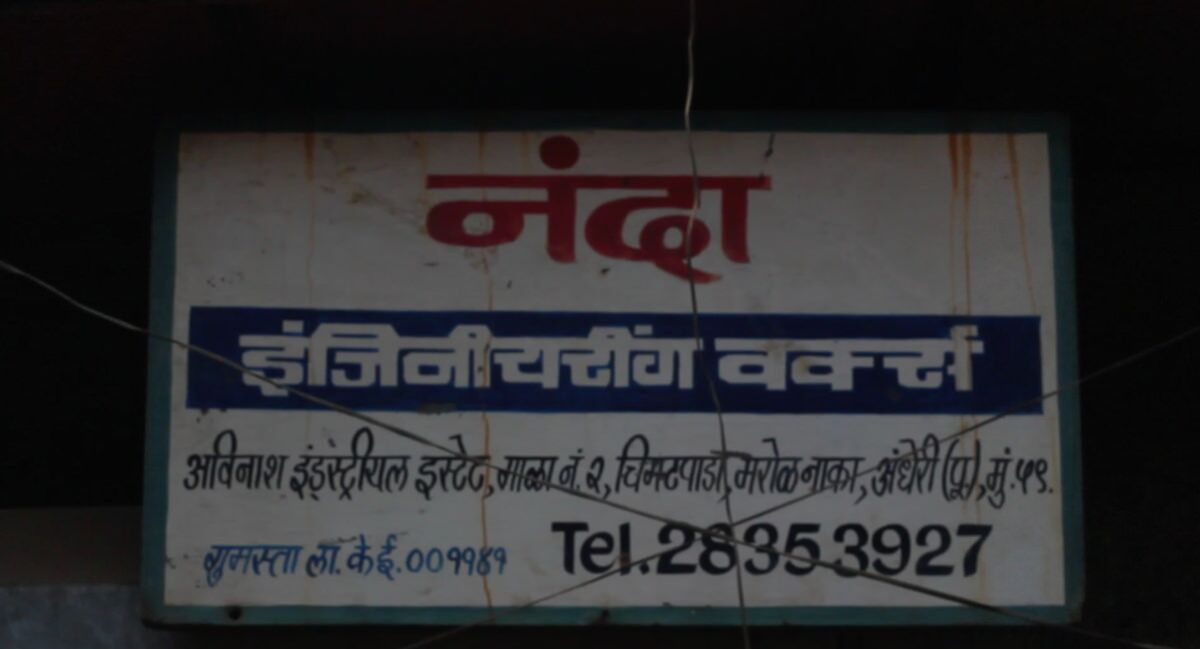
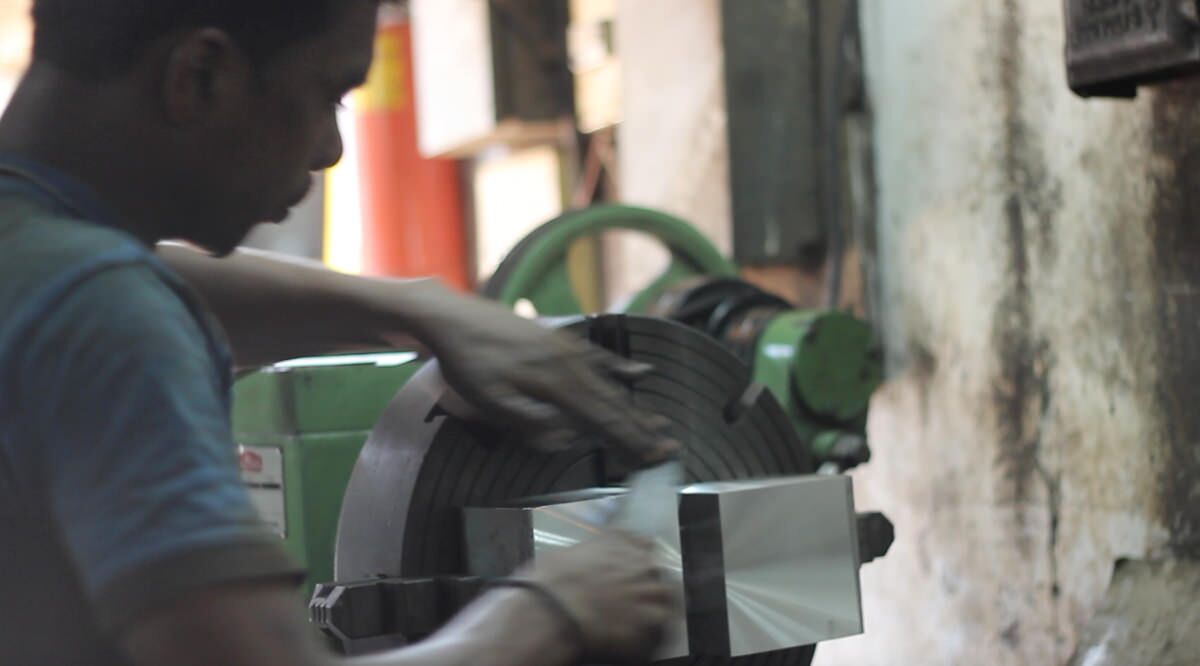
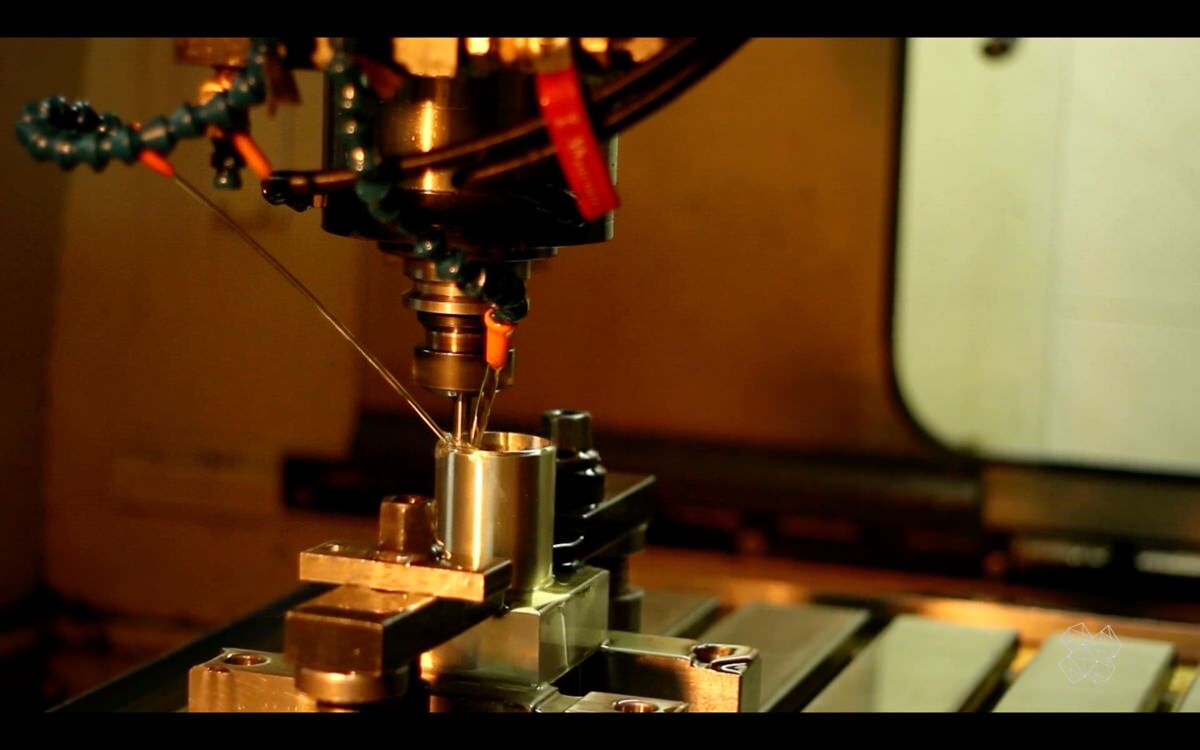
We wanted to give the product a premium look. Varun took charge — this was his territory. He and I discussed to go with an Anodized Aluminium finish. Black and Red would be the colors for the product. Matte finish black and red rings. Next step was to find a CNC guy who can mill this for us. Ironically there was an industrial park just behind our office. We explored and finally found our guys. Generally these guys do bigger orders, focused on creating metal casts, but somehow they got excited about our product.
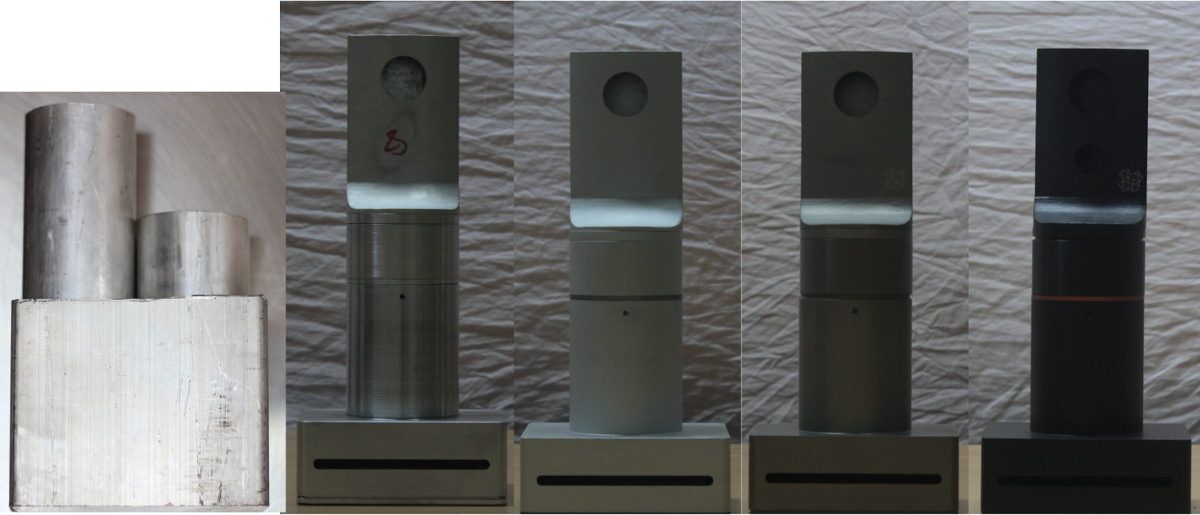
One of the good things we did in the design was to make sure it can be manufactured relatively easily. Kudos to Varun for it, who made sure the design was not something that might have taken months to modify for a manufacturing process. With some clever change of processes and tweaks we were ready to take a slab of aluminium and convert it into our product.
At the same time we searched for getting our hardware design fabricated. Close to the industrial area in Marol, we found our answer. It’s actually a fantastic area for hardware startups — you will find every kind of fabricator, from CNC to laser etchers, from PCB to molding guys. Everything is happening in India — we just need to open our eyes and explore.
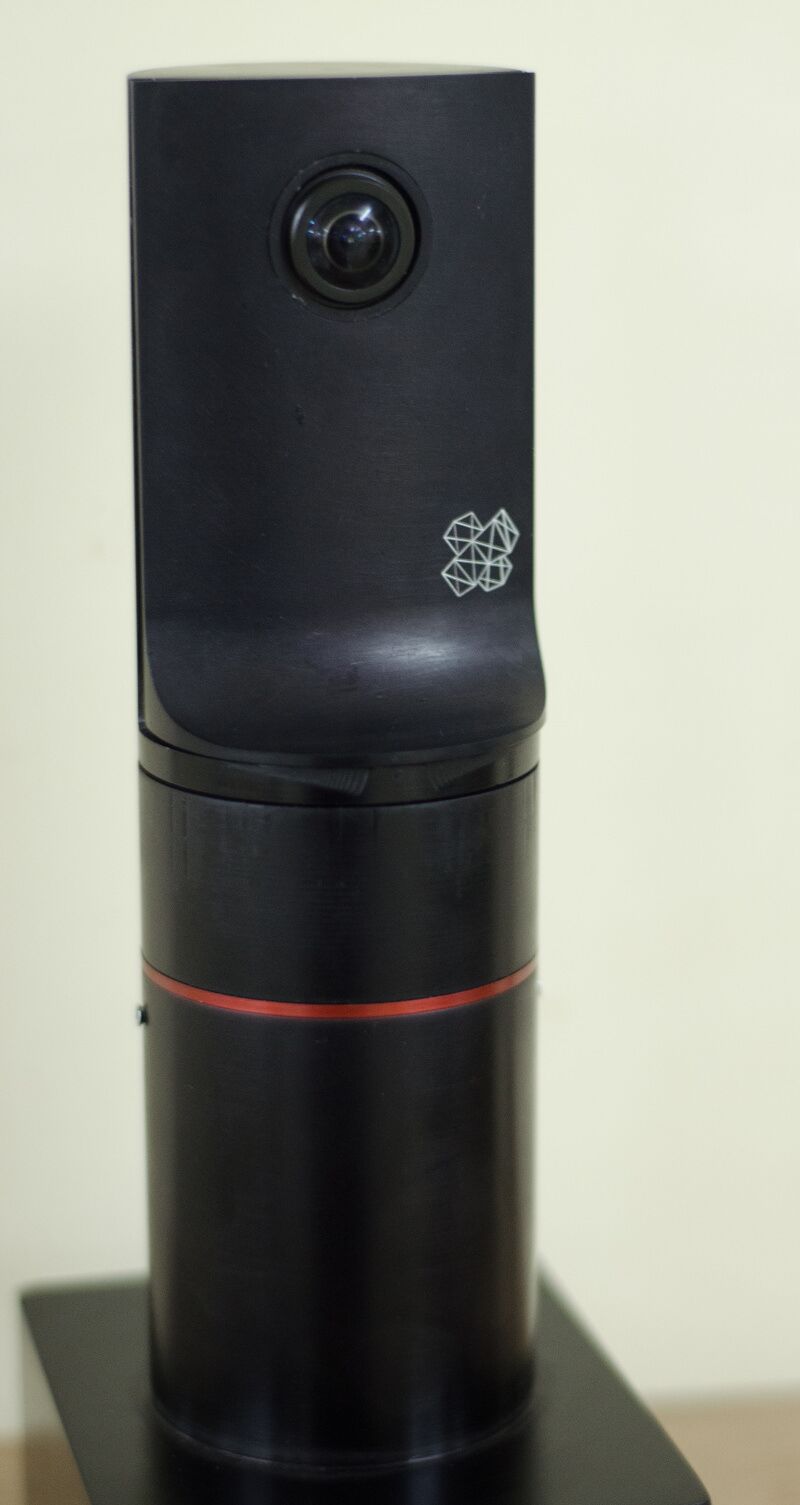
In about a month we got our first CNCed product. The feel of metal is just really cool. From the silver aluminium we went through an anodizing process converting it into our black matte finish.
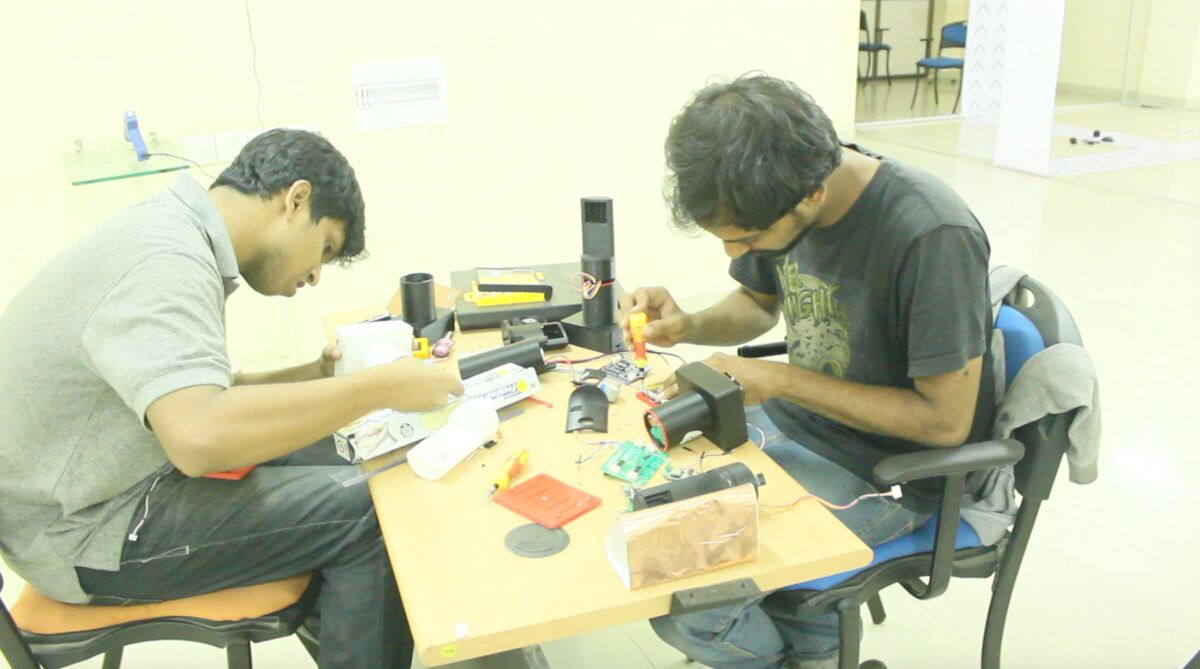
Powering the camera for all the computations we put in a dual-core 1 GHz processor with 1 GB RAM, combined with custom hardware for battery management, battery monitoring, motor drivers and status indicators. With all the components in place we started assembly and subsequent shipping of our product.
Part VIII: The Dharavi Package
Packaging is the last most important thing in a product. There are legendary stories on how Apple spends so much money in getting the right packaging for its iPhones and Macs. Well, we are not Apple in terms of scale and resources. But we thought how can we get great packaging done. A premium finish would add to the feel of the product and of course a cheap cost will help. We had tried hardboard packaging before but it was just not robust enough to stand the rough use of the product.
Varun and Dolly took us to Dharavi. Through Varun’s uncle we got connected to packaging folks there. I never expected this, but there are leather industries thriving in that area of Mumbai. Not only leather — hardboard packaging, injection molding, creating consumer goods — just think of artifacts around you. All of them would have a bit of Dharavi in them. Statistically, there are about 1 million people working there producing $1 Billion worth of goods every year.
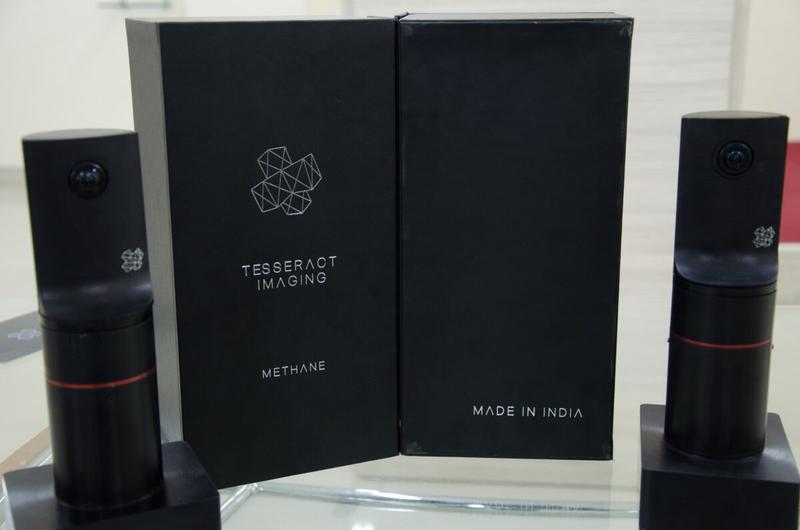
We finally got our boxes done there — relatively cheap cost and the leather finish was impeccable. Plus the gold emboss of Tesseract and Made In India. Dolly finished the manual and the quick start guide, Jai made it look beautiful. Overall the whole product felt amazing!
Part IX: The Shipment
Finally the day was getting closer. The day when we would ship to our first client. The product was becoming a truly Made In India masterpiece. This was high technology, sophisticated optical design combined with high end processing. Computer vision and machine learning algorithms running at full flow and giving a visual experience never seen before. The aluminium finish and Varun’s design were absolutely delightful. Battery was working, so was the hardware.
Who said India is about service and software. Here was a hardware product that was made by India, of India and for the world!
As we were testing, one last hitch caught up. Somehow the Wi-Fi hotspot on the camera was transmitting reduced signal. Almost half the strength. That would be a pain in creating indoor maps. Meanwhile, Mayank had joined us from Delhi — the guru of RF and WiFi. We just realized that we had the iPhone Antenna moment. If you remember, back in 2011 there was a problem in receiving signals in the iPhone 4. That was because the whole body was made out of aluminium that technically absorbs WiFi, hence the reduced signal. The way Apple fixed it was to make the whole body the antenna. So did we — getting the antenna out, and in subsequent versions converting the whole body into the antenna.
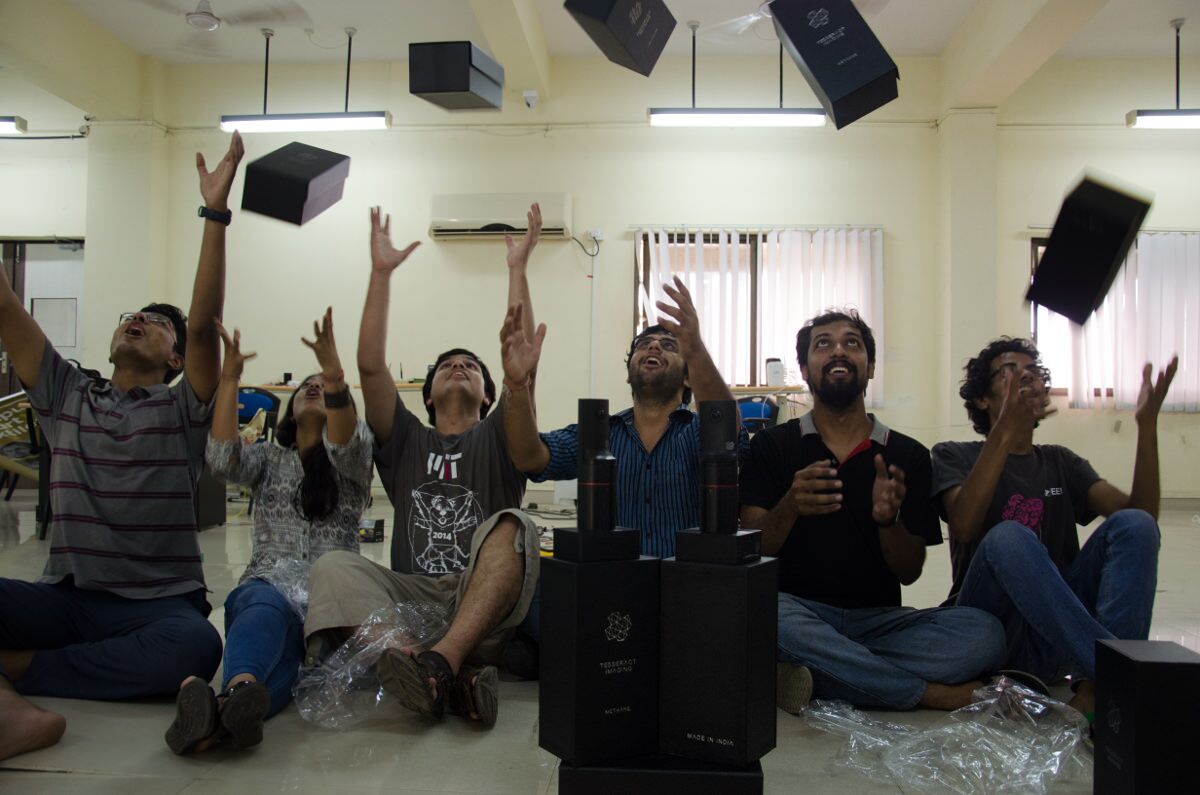
Finally we shipped. Can’t forget that day. We packed our boxes, Mayank supervised the customary photoshoot and we went into the client’s office. With our products in hand we walked in, shook hands, gave the required demo and finally handed them the products.
I suddenly realized the product was not ours any more. All the hard work, the days, the nights that had gone into it just flashed through my head. Now the product would be owned by somebody else. Felt like giving your baby away. For once I wanted to take it back. That’s how attached you feel with what you build. But true love is letting go rather than holding on. Now, it was with the world.
Part X: The Why and the Why not?
When we started, we didn’t know if this was possible or not. None of the team came with 10+ years of experience. If I had gone with this idea to a VC or an investor nobody would have believed we can pull this off. There were not enough data points to project success. But that’s the funny thing about innovation, collaboration and creativity. It comes out of chaos. It comes out of attempting the impossible. Something that has not been done before. Creating something new, making something unique, battling all odds, overcoming challenges and making an impact.
6 months of effort — that’s what it took to get a rockstar team, make an end to end product and ship it. Till date we have not raised a single penny of external or VC funding — completely bootstrapped. I am very proud of this team. I am very proud of what we have been able to accomplish. It’s still a small step in the bigger scheme of things but a very important one. Even if we were not able to pull this off I would have felt the same. Because what mattered was the experience that all of us went through. The learnings, the joys, the sadness, the fun, the games, the frustrating hardware debugging, the draining integration, the fights, the shouting, the failures, the successes.
The end goal never matters, what always matters is the journey.
Couple of lines to end this blog.
Hum chale the manzil ke aur humsafar ko saath lekar, kee raasta aasaan ho jaayega,
Manzil to humai mil naa paaye par humsafar hee raah ban gaye.